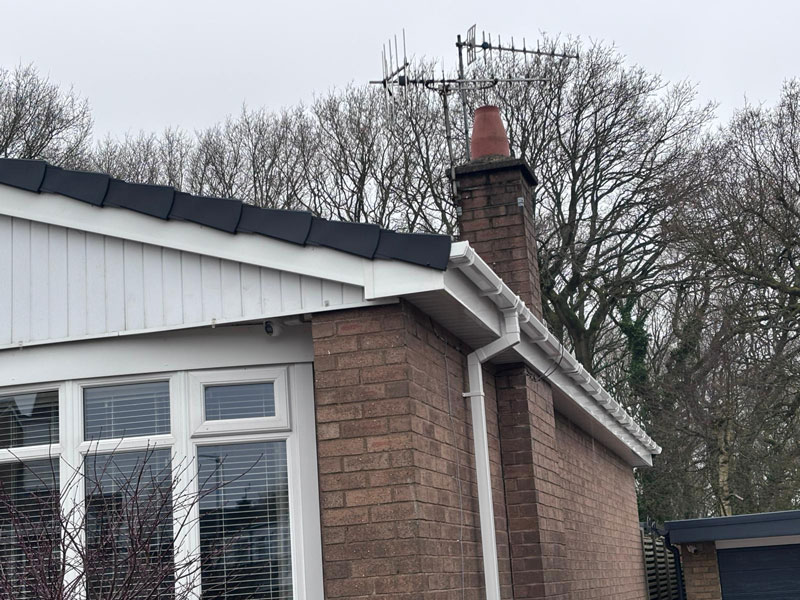
As experienced roofers working across Stoke-on-Trent and the wider Staffordshire area, we regularly repair roofs that suffer from the same underlying problem: failing mortar at the ridge or verge. For decades, sand and cement mortar was the standard method used to secure ridge tiles and finish roof edges. While effective when first installed, mortar systems naturally deteriorate over time due to weather exposure and structural movement.
Modern roofing has evolved significantly, and today dry verge and dry ridge systems provide a far more durable, breathable, and maintenance-free solution. Understanding the differences between these systems helps homeowners see why many new roofs — and reroofing projects — now favour mechanical fixing methods instead of traditional mortar.
What Are Ridge and Verge Areas of a Roof?
Before comparing systems, it helps to understand the areas involved.
The ridge is the horizontal line running along the top of the roof where two roof slopes meet. Ridge tiles protect this joint from water ingress while allowing ventilation beneath.
The verge is the edge of the roof at the gable end, where tiles finish along the side of the property. This edge protects the roof structure from wind uplift and prevents rain from entering beneath the tiles.
Both areas are exposed to the harshest weather conditions — strong winds, heavy rainfall, frost, and temperature changes — which is why fixing methods are so important.
The Traditional Mortar Method
Historically, ridge and verge tiles were bedded into sand and cement mortar. This created a solid bond that held tiles in place and sealed gaps.
However, mortar has several natural weaknesses:
- It expands and contracts with temperature changes
- It cracks as buildings move slightly over time
- Frost penetrates small cracks and breaks it apart
- Wind-driven rain accelerates deterioration
Across Stoke-on-Trent, where properties face frequent rain and winter freeze-thaw cycles, mortar failure is one of the most common roofing issues we encounter.
Once cracks appear, water enters beneath the tiles, and sections of mortar can eventually fall away, leaving ridge or verge tiles loose and unsafe.
What Is a Dry Ridge System?
A dry ridge system replaces mortar with a mechanically fixed system using screws, clamps, and specially designed ventilation components.
Instead of being cemented into place, ridge tiles are secured onto a ridge batten using brackets that hold each tile firmly while allowing controlled airflow beneath.
The system creates a secure but flexible fixing that moves naturally with the roof structure.
What Is a Dry Verge System?
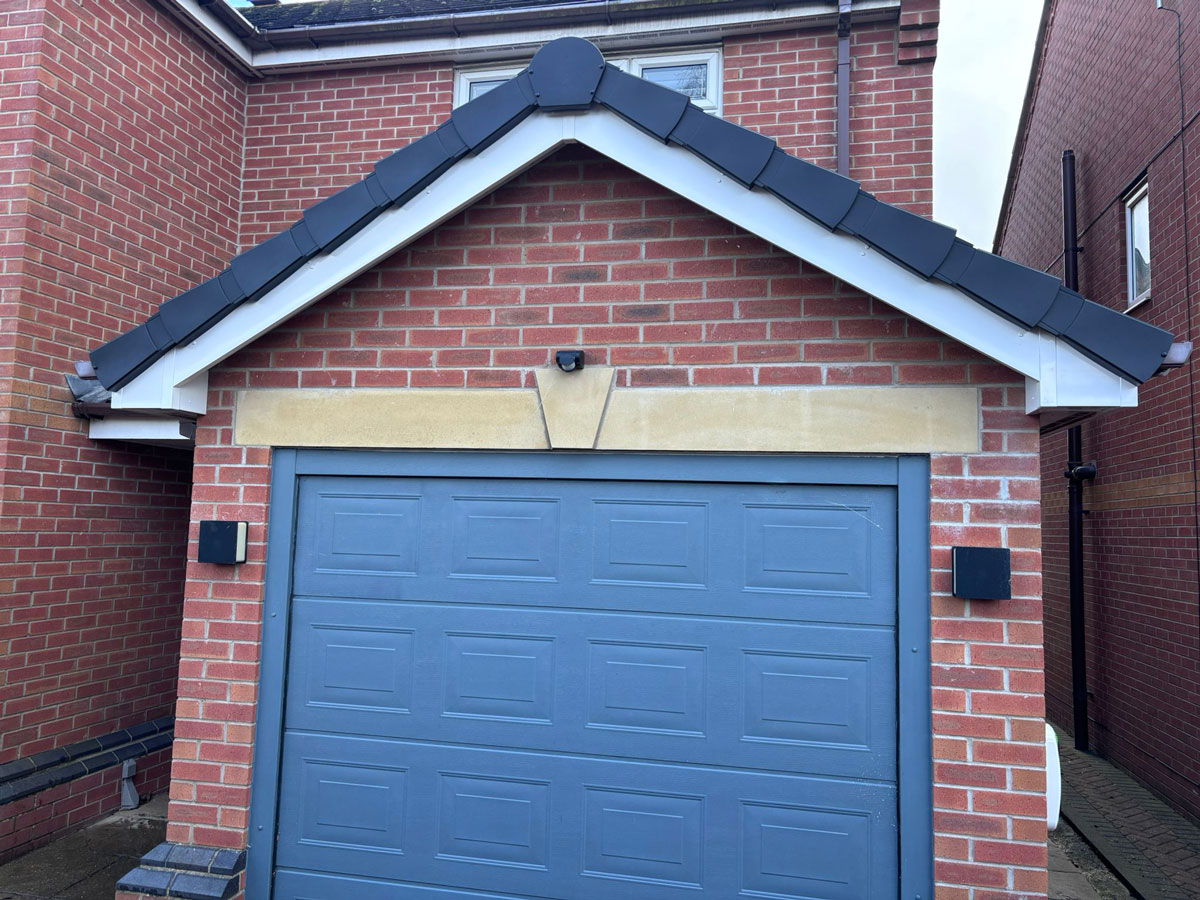
A dry verge system uses interlocking caps fitted along the roof edge to secure and protect the ends of roof tiles. These caps are mechanically fixed rather than cemented, creating a clean, uniform finish while preventing wind uplift and water penetration.
Dry verge units also seal vulnerable gaps that birds and pests often exploit in older mortar verges.
Key Benefit 1: Improved Roof Ventilation (“Breathing Roof”)
One of the biggest advantages of dry ridge systems is ventilation.
Traditional mortar creates a solid seal along the ridge, which restricts airflow escaping from the roof space. Modern roofing design recognises that roofs need controlled ventilation to function properly.
Dry ridge systems incorporate ventilation gaps that allow warm, moist air to escape naturally from the loft.
This breathing effect provides several benefits:
- Reduces condensation buildup
- Prevents moisture accumulation in insulation
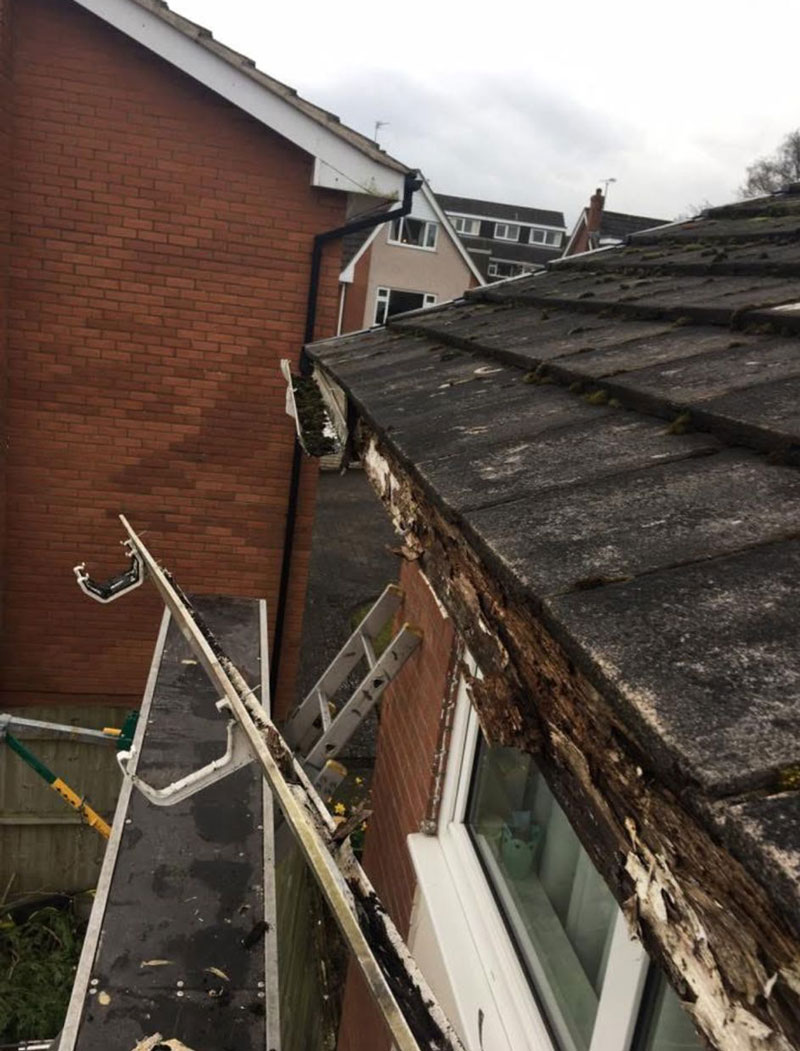
- Protects roof timbers from rot
- Improves overall roof lifespan
In many older homes around Stoke-on-Trent, poor roof ventilation contributes directly to damp loft spaces and mould growth. A dry ridge system helps solve this by allowing continuous airflow without allowing rain to enter.
Key Benefit 2: Resistance to Weather and Frost Damage
Mortar is rigid and brittle once cured. Over time, weather exposure causes cracking, especially during winter when moisture freezes and expands inside the cement.
Dry systems, by contrast, are designed with flexibility in mind.
Because ridge and verge tiles are mechanically fixed rather than bonded with cement, they can move slightly with thermal expansion and structural movement. This flexibility prevents cracking and greatly reduces storm damage.
For areas exposed to strong winds — common across open parts of Staffordshire — mechanically fixed systems provide far greater long-term reliability.
Key Benefit 3: Reduced Maintenance and Repair Costs
Mortar bedding typically requires maintenance every 10–20 years, sometimes sooner depending on exposure levels.
Common issues include:
- Cracked ridge lines
- Falling mortar pieces
- Loose tiles
- Water penetration
Dry ridge and dry verge systems are designed to be maintenance-free once installed correctly. Because there is no cement to deteriorate, homeowners avoid recurring repair costs associated with repointing or rebedding ridge tiles.
This makes dry systems particularly attractive for long-term property ownership.
Key Benefit 4: Stronger Mechanical Fixing and Safety
Modern roofing standards increasingly favour mechanical fixing methods for safety reasons.
Dry ridge systems secure tiles using screws and clamps directly into roof battens. This creates a far stronger fixing compared to mortar alone, which relies purely on adhesion.
During storms, mortar-fixed ridge tiles can become dislodged, posing a safety risk to people and property below. Mechanically fixed systems significantly reduce this risk by physically anchoring tiles to the roof structure.
Key Benefit 5: Protection Against Birds and Pest Entry
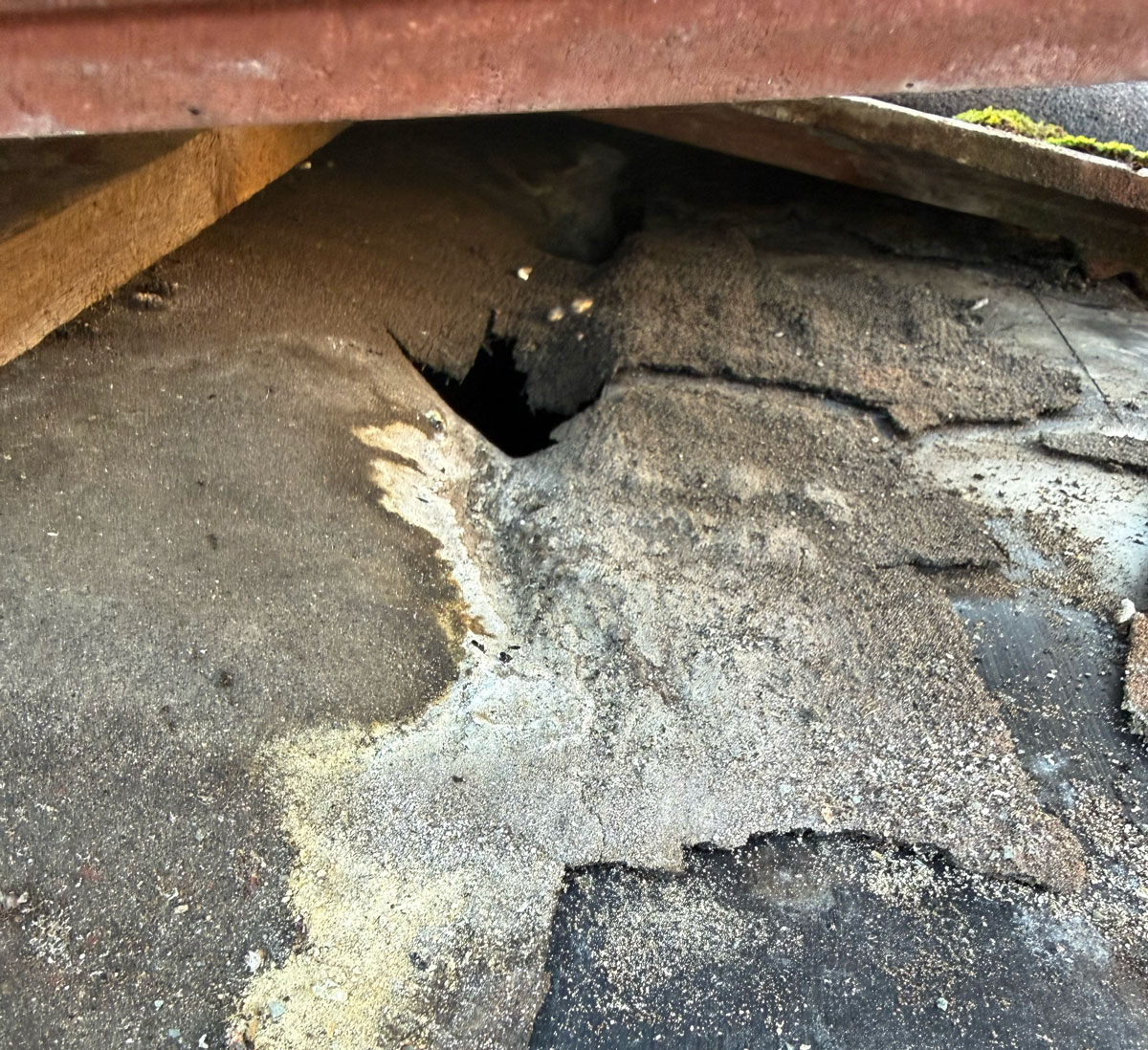
Traditional mortar verges often develop gaps as cement shrinks or breaks away. Birds frequently exploit these openings to access the roof space, where they can damage roofing felt and insulation.
Dry verge systems fully enclose the tile edge, removing entry points and preventing nesting activity.
This added protection helps preserve the roof structure and reduces the likelihood of future eaves damage and internal damp problems.
Key Benefit 6: Cleaner Appearance and Long-Term Kerb Appeal
Mortar verges often become uneven or stained over time as weathering occurs. Repairs can leave patchy sections that affect the appearance of the roofline.
Dry verge systems provide a uniform, modern finish that remains consistent for years. Colour-matched units maintain a neat appearance without cracking or crumbling.
For homeowners considering future resale value, a clean and well-maintained roofline significantly improves overall property presentation.
Key Benefit 7: Compliance with Modern Roofing Standards
Building practices have evolved, and modern roofing guidelines increasingly recommend mechanically fixed ridge systems, particularly for reroofing projects.
Dry ridge installations and dry verge installations align with current best practices by combining secure fixing with effective ventilation — two essential factors in modern roof construction.
Many insurance providers and surveyors now view dry systems as a more reliable long-term solution compared to traditional mortar methods.
Why Many Homeowners Upgrade During Roof Repairs
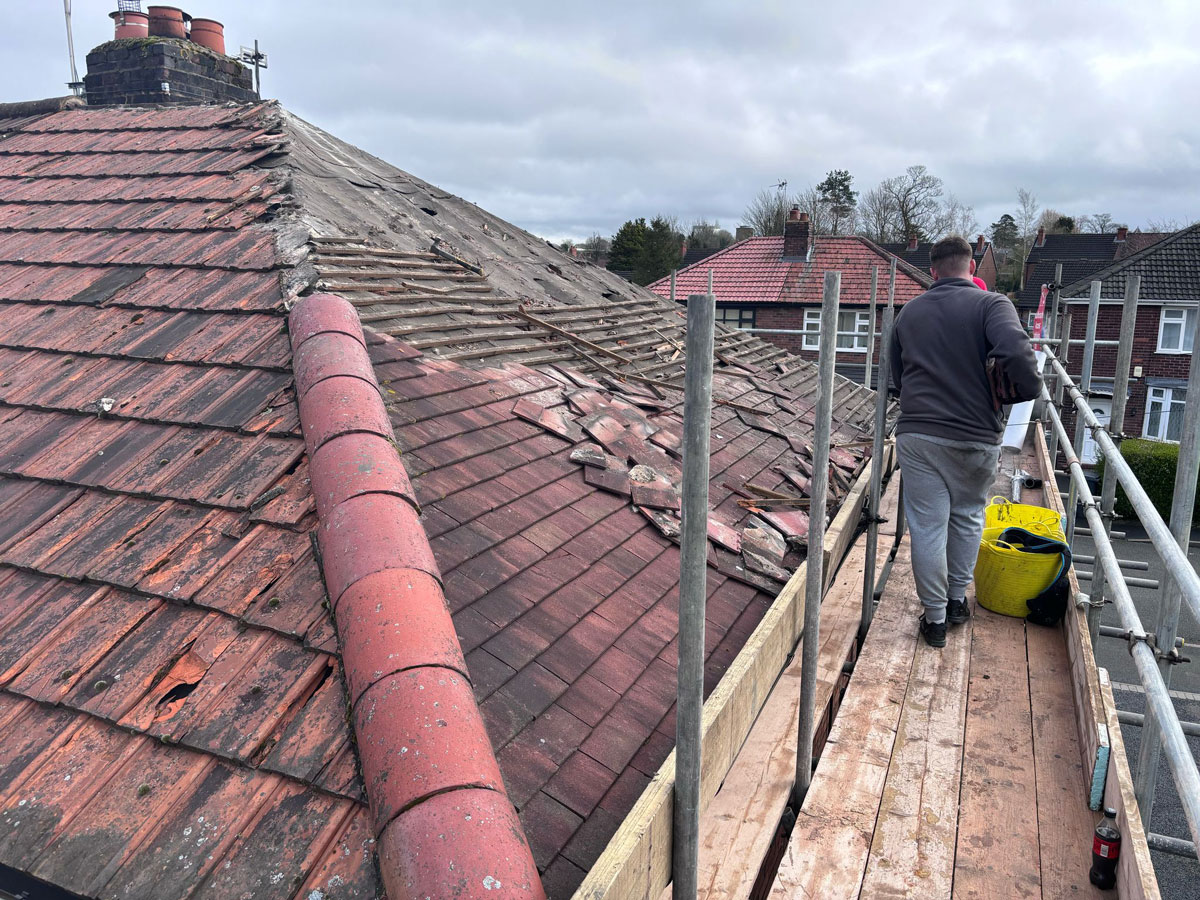
In Stoke-on-Trent, we often recommend upgrading to dry verge and dry ridge systems when carrying out roof repairs or replacing ridge tiles. Since scaffolding and access are already in place, switching systems provides a long-term improvement with minimal additional disruption.
Homeowners benefit from:
- Improved roof ventilation
- Greater storm resistance
- Reduced maintenance costs
- Enhanced protection against damp and condensation
A Modern Solution for a Healthier Roof
While mortar bedding served its purpose for many years, modern roofing technology has introduced solutions better suited to today’s expectations of durability and efficiency.
Dry verge and dry ridge systems allow roofs to breathe, move naturally with changing conditions, and remain secure without ongoing maintenance. For properties across Stoke-on-Trent facing regular exposure to rain, frost, and wind, these systems provide a practical upgrade that protects both the roof structure and the home beneath it.
By replacing rigid mortar with flexible mechanical fixing and built-in ventilation, homeowners gain a roofing system designed not just to look good initially, but to perform reliably for decades.