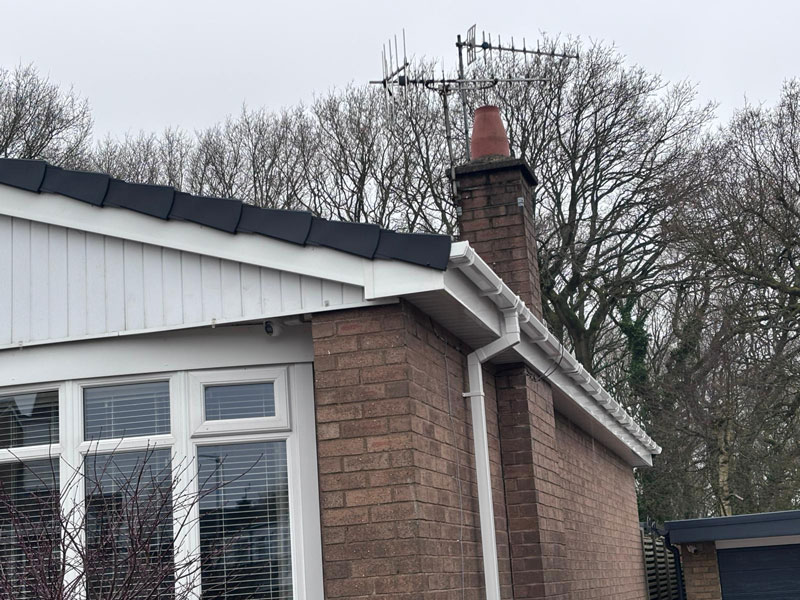
Many homeowners assume a single cracked roof tile is a minor issue that can wait until the next maintenance visit. As roofing specialists working across Staffordshire, we regularly see the opposite: what begins as a small, barely visible crack can quickly develop into significant internal damage inside a property — particularly when the roofing felt beneath the tiles has deteriorated with age.
Understanding how this happens helps homeowners recognise why early repair is essential and why roof problems often appear indoors long after the original damage occurs.
The Role of Roof Tiles in Protecting Your Home
Roof tiles are designed to act as the first line of defence against the British weather. Whether made from concrete or clay, tiles shed rainwater safely down the roof slope and into the guttering system. When intact, they prevent the majority of water from reaching the underlying roof structure.
However, tiles are not completely waterproof on their own. They are part of a layered roofing system. Beneath them sits the roofing felt (also called underlay), which acts as a secondary protective barrier. This hidden layer is critical, especially during heavy rain, wind-driven moisture, or snow.
When both layers work together, your roof remains watertight. When one fails — and the other is already weakened — problems begin.
How Roof Tiles Become Cracked
In Staffordshire, cracked tiles are extremely common due to a combination of environmental factors and natural ageing. Freeze-thaw cycles during winter allow water to enter small pores or hairline fractures in tiles. When temperatures drop, that water freezes and expands, gradually widening the crack.
Other common causes include:
-
- Storm damage and high winds lifting tiles
-
- Foot traffic during previous roof work
-
- Falling debris or moss buildup
-
- Natural expansion and contraction over decades
Often, cracks are not visible from ground level, meaning damage can go unnoticed for months or even years.
What Happens When a Tile Cracks
Once a tile is cracked, rainwater can bypass the surface protection and reach the layer beneath. During light rainfall, this may seem insignificant. But during wind-driven rain — common across exposed areas of Staffordshire — water is forced sideways and upward beneath tiles.
At this stage, the roofing felt becomes the home’s last line of defence.
If the felt is still in good condition, it can temporarily redirect moisture down the roof and prevent immediate leaks. But if the felt has perished, torn, or degraded with age, water begins entering the roof structure itself.
The Hidden Problem: Perished Roofing Felt
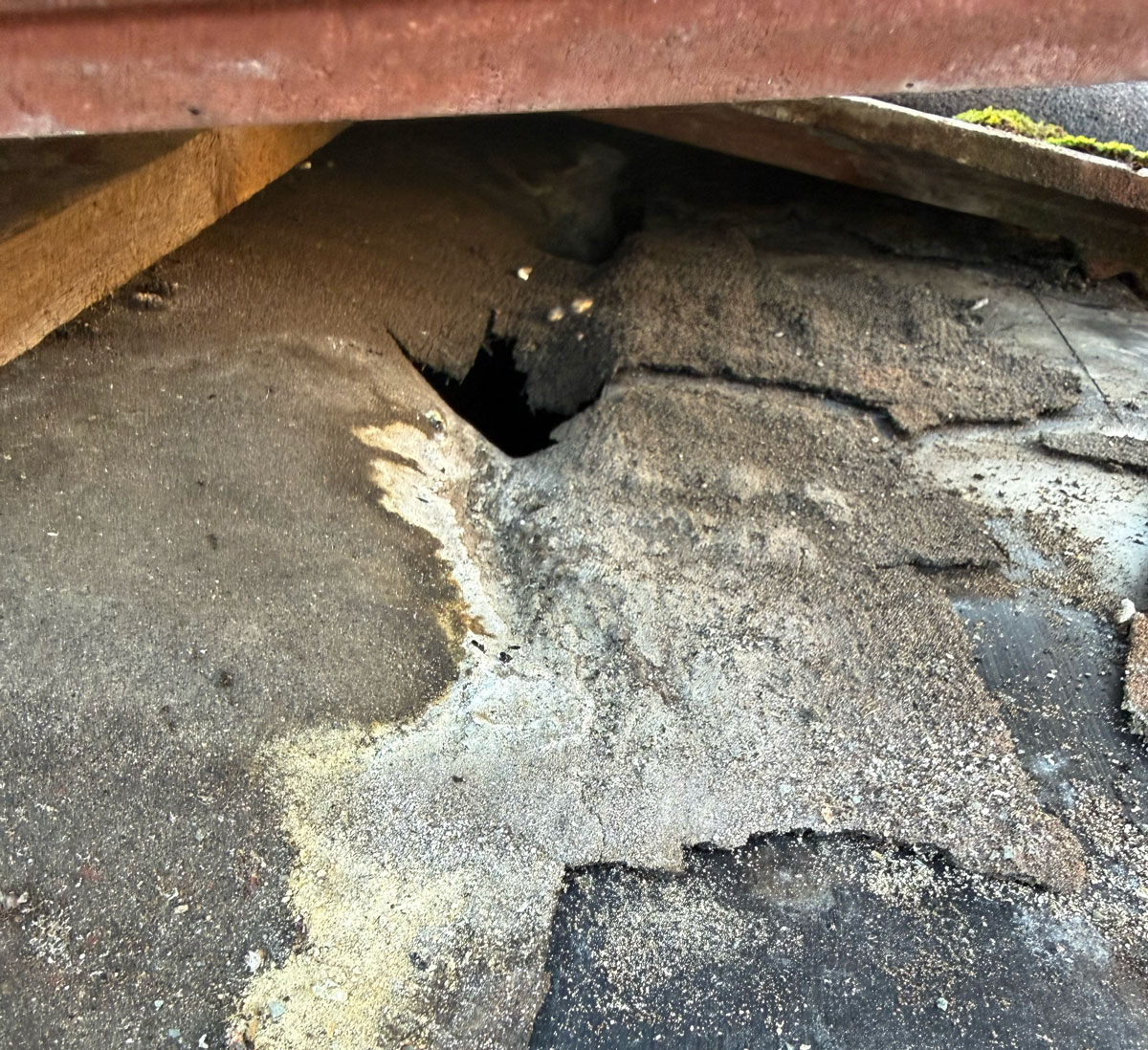
Many properties built or reroofed more than 20–30 years ago still rely on older bitumen felt. Over time, this material becomes brittle due to heat cycles, moisture exposure, and general ageing.
We frequently find roofing felt that has:
-
- Split along rafters
-
- Sagged between timbers
-
- Crumbled when touched
-
- Developed holes around nail fixings
Once felt reaches this condition, it can no longer perform its protective role. A cracked tile above suddenly becomes a direct pathway for water into the roof space.
How Internal Damage Begins
Water entering through failed felt rarely creates an immediate visible leak. Instead, it slowly affects structural elements inside the roof.
Typical progression includes:
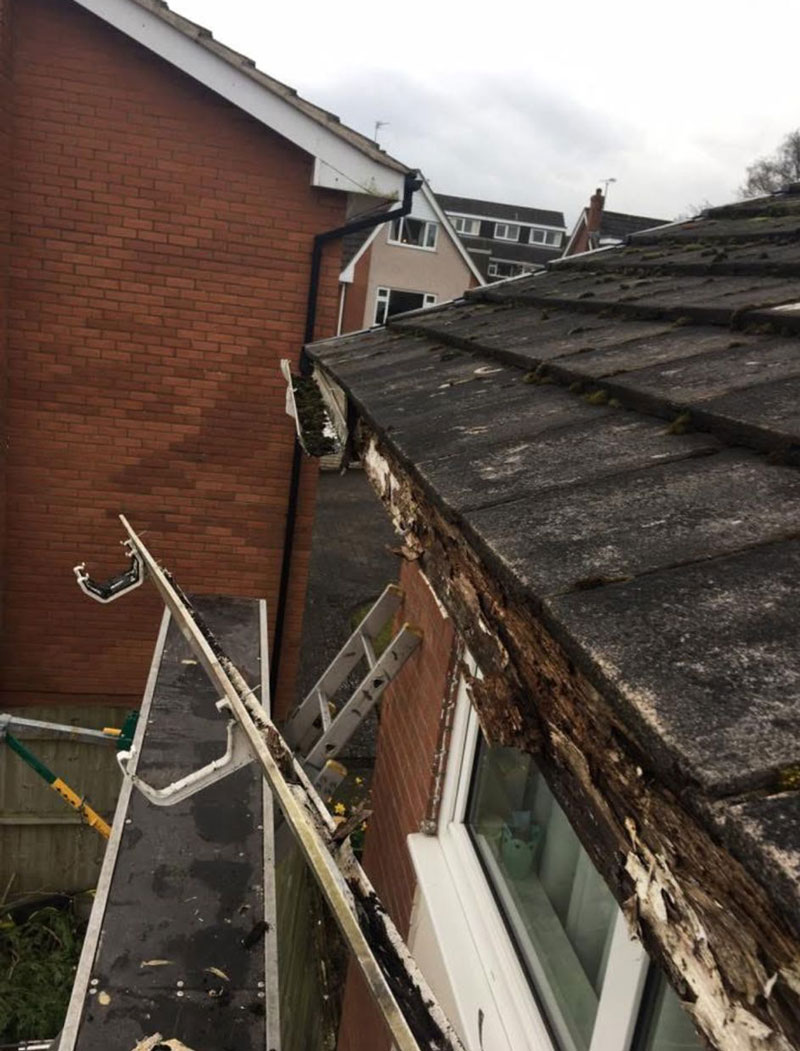
1. Timber Saturation
Roof battens and rafters absorb moisture. Prolonged dampness encourages rot and weakens structural strength – this often requires fascia and soffit replacement.
2. Insulation Damage
Loft insulation becomes compressed when wet, reducing thermal performance and increasing heating costs.
3. Ceiling Staining
Water eventually tracks along timbers until it finds a weak point, often appearing as brown stains on ceilings or walls far from the original entry point.
4. Mould and Condensation Issues
Persistent moisture creates ideal conditions for mould growth, affecting indoor air quality and potentially causing health concerns.
Because water travels along structural elements, homeowners are often surprised to discover that internal damage appears several metres away from the cracked tile itself.
Why Damage Escalates Quickly
One of the biggest risks is delay. A single cracked tile may allow only small amounts of water through initially, but repeated exposure over weeks or months compounds the problem.
In colder weather, trapped moisture can freeze and expand within timber and roofing materials, accelerating deterioration. During heavy storms, large volumes of water can suddenly enter through weakened areas, turning a minor repair into a major internal issue.
What could have been a simple tile replacement can eventually require timber repairs, plaster replacement, insulation removal, and redecorating.
Warning Signs Homeowners Should Watch For
Early detection can prevent costly repairs. Common indicators include:
-
- Damp patches or staining on ceilings
-
- Musty smells in loft spaces
-
- Dripping sounds during heavy rain
-
- Visible daylight through the roof in the loft
-
- Sagging or discoloured insulation
Even without visible leaks, any known cracked or slipped tile should be inspected promptly.
The Importance of Professional Roof Inspections
Many roofing problems are not visible from ground level, and climbing onto a roof without proper safety equipment is dangerous. A professional inspection allows roofers to assess not only the tile condition but also the state of the underlying felt and timber structure.
In many Staffordshire homes, we find that addressing small defects early prevents far more extensive work later. Replacing damaged tiles and reinforcing vulnerable underlay areas can restore the roof’s waterproofing before internal damage develops.
Prevention Is Always Cheaper Than Repair
Roofing systems are designed to work as a complete structure. When one element fails — especially alongside ageing roofing felt — the entire system becomes vulnerable and often requires a complete roof replacement.