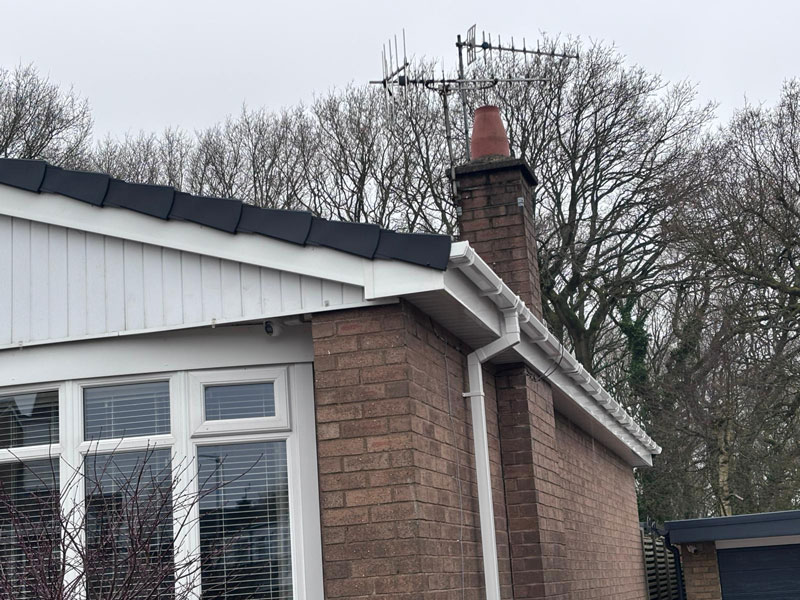
Advice from experienced roofers in Staffordshire
Your roof is one of the most important structural elements of your home, yet the space directly beneath it — the loft or roof void — is often overlooked. Many homeowners assume insulation alone is the key to energy efficiency and roof performance. While insulation is vital, it must work alongside something equally important: proper ventilation and airflow.
A well-ventilated loft protects your roof structure, improves energy efficiency, prevents costly damage, and helps maintain a healthy living environment inside your home. In Staffordshire, where seasonal temperature changes, damp winters, and fluctuating humidity levels are common, ensuring adequate airflow in roof spaces is especially important.
This article explains why loft ventilation matters, why a loft should remain cold, the problems caused by insufficient airflow, and what practical steps can be taken to prevent condensation and moisture-related damage.
Why a Loft Should Be Cold
It may sound counterintuitive, but a properly functioning loft should typically be cold rather than warm. The purpose of a loft space is not to retain heat — that job belongs to the insulation installed at ceiling level.
The Role of Insulation vs Ventilation
In modern roofing design, insulation is laid across the loft floor to stop heat from escaping the living areas below. When insulation works correctly:
- Heat stays inside the home
- The loft temperature remains close to the outdoor temperature
- Moisture is less likely to accumulate within the roof structure
Ventilation then allows fresh air to move through the loft space, carrying away moisture before it can settle on timbers or roofing materials.
Why Warm Lofts Cause Problems
When a loft becomes warm, it usually means heat is escaping from the house into the roof void. This creates a temperature imbalance that encourages condensation. Warm air can hold more moisture, and when that moisture meets colder surfaces such as roof felt or tiles, water droplets form.
A cold, well-ventilated loft prevents this cycle by allowing moisture to escape naturally before it condenses.
Seasonal Benefits
Keeping a loft cold also helps regulate roof performance throughout the year:
- Winter: Prevents condensation and damp accumulation.
- Summer: Reduces overheating that can degrade roofing materials.
- Year-round: Maintains structural stability of timber components.
In short, a cold loft is a sign that insulation and ventilation are working together correctly.
What Issues Arise When Roofs Become Warm or Have Insufficient Airflow
Poor ventilation is one of the most common hidden roofing problems. Many homeowners only become aware of it after visible damage appears — often when repairs are already expensive.
1. Condensation Build-Up
The most immediate issue caused by insufficient airflow is condensation.
Everyday household activities produce moisture, including:
- Cooking
- Showering
- Drying clothes indoors
- Breathing and general occupancy
Warm, moisture-laden air rises naturally into the loft. Without ventilation, this moisture becomes trapped and condenses on cold surfaces.
Over time, this leads to:
- Damp insulation
- Water droplets on rafters
- Persistent humidity inside the roof space
Wet insulation loses much of its thermal performance, meaning heating bills can increase while comfort decreases.
2. Timber Rot and Structural Damage
Roof timbers rely on dry conditions to remain strong. Prolonged exposure to moisture can cause:
- Fungal growth
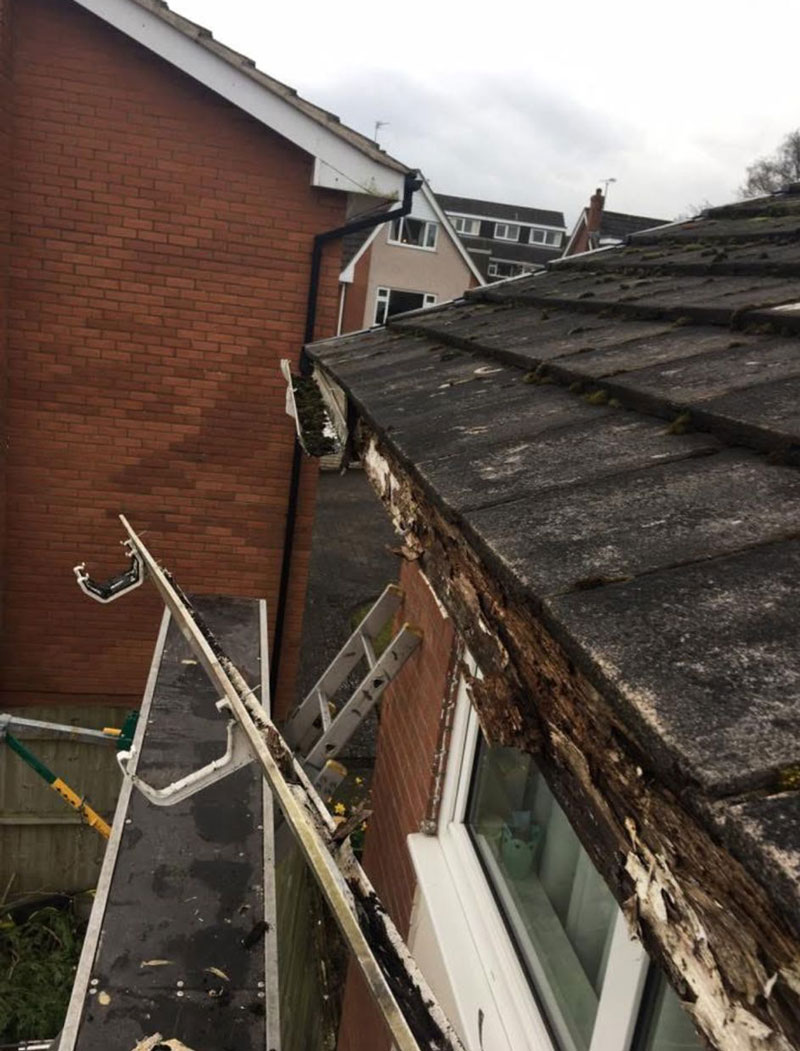
- Wood rot
- Weakening of rafters and joists
Structural timber decay is not always immediately visible from inside the home. By the time sagging roofs or cracks appear, significant deterioration may already have occurred.
Repairing structural roof timbers can be far more costly than preventing moisture problems through proper ventilation.
3. Mould and Health Concerns
Excess moisture in loft spaces encourages mould growth, which can eventually spread into living areas below.
Mould spores may contribute to:
- Respiratory irritation
- Allergies
- Poor indoor air quality
Even if mould remains confined to the loft initially, air movement through ceiling gaps, light fittings, or loft hatches can allow spores to enter the home.
4. Damage to Roofing Materials
A warm, poorly ventilated roof space accelerates deterioration of roofing components.
Common problems include:
- Felt membrane breakdown
- Corrosion of metal fixings
- Tile battens weakening
- Premature ageing of underlay materials
Heat combined with trapped moisture creates conditions that shorten the lifespan of the entire roofing system.
5. Ice Damming in Winter
Although more commonly discussed in colder climates, temperature imbalance can still cause issues during UK winters.
When heat escapes into the loft, snow or frost on roof tiles melts unevenly. Meltwater can refreeze near colder eaves, potentially forcing water beneath tiles and into the roof structure.
Proper airflow helps maintain consistent roof temperatures and reduces this risk.
How to Reduce Condensation in Your Loft
Preventing condensation is largely about controlling airflow and managing moisture movement. Fortunately, several proven solutions can dramatically improve loft ventilation.
Install Roof Vents
Roof vents are one of the most effective ways to introduce controlled airflow into a loft space.
They work by allowing stale, moisture-heavy air to escape while drawing in fresh external air. This continuous air exchange prevents humidity from building up.
Benefits of roof vents include:
- Reduction in condensation levels
- Protection of roof timbers
- Improved lifespan of roofing materials
- Better overall roof health
Modern roof vents are designed to blend seamlessly with existing tiles, meaning ventilation improvements can often be installed without affecting the appearance of the property.
Ventilation at the Eaves
Eaves ventilation is essential because it creates the entry point for airflow.
The eaves — where the roof meets the external wall — allow cooler outside air to enter the loft. Once inside, air naturally travels upward and exits through higher ventilation points such as ridge or tile vents.
Without airflow at the eaves, ventilation systems cannot function effectively.
Common solutions include:
- Continuous soffit vents
- Over-fascia ventilation trays
- Ventilation gaps protected by insect mesh
These systems ensure airflow remains consistent along the entire roof edge rather than relying on isolated openings.
Fascia Ventilation Systems
Fascia ventilation works alongside eaves ventilation to maintain continuous air movement.
Proper fascia ventilation:
- Prevents stagnant air pockets
- Encourages cross-flow ventilation
- Supports consistent temperature regulation
Older properties often lack adequate fascia ventilation because building standards were different when they were constructed. Retrofitting modern ventilation systems can significantly improve loft conditions without major structural work.
Maintain Clear Air Paths
Even when vents exist, airflow can be blocked by insulation or stored belongings.
Common problems include:
- Insulation pushed tightly into eaves
- Loft boarding covering ventilation gaps
- Stored items restricting air circulation
Installing ventilation trays or rafter spacers helps maintain a clear channel for air to move from the eaves into the loft space.
Improve Moisture Control Inside the Home
Ventilation improvements work best when combined with reducing moisture at its source.
Homeowners can help by:
- Using extractor fans in kitchens and bathrooms
- Venting tumble dryers externally
- Keeping loft hatches well sealed
- Avoiding drying clothes indoors without ventilation
Reducing indoor humidity lessens the amount of moisture reaching the loft in the first place.
The Long-Term Benefits of Proper Loft Ventilation
Investing in loft airflow is not just about preventing problems — it also delivers measurable long-term advantages.
Lower Energy Costs
Dry insulation performs far better than damp insulation, helping homes retain heat efficiently.
Extended Roof Lifespan
Ventilated roofs experience less material stress, reducing repair frequency and replacement costs.
Healthier Living Environment
Reduced mould and moisture improves indoor air quality for occupants.
Protection of Property Value
A well-maintained roof structure is a major factor in property surveys and resale value.
Final Thoughts
Adequate loft airflow is one of the most important — yet most misunderstood — aspects of roofing performance. A loft should remain cold, dry, and well ventilated, allowing insulation to do its job while moisture safely escapes.
When airflow is restricted, problems such as condensation, mould, timber decay, and premature roof failure can develop quietly over time. Fortunately, solutions such as roof vents, eaves ventilation, and fascia airflow systems provide effective and relatively straightforward ways to protect your home.
For homeowners across Staffordshire, where damp weather and seasonal temperature swings are common, ensuring proper loft ventilation is not simply a recommendation — it is essential preventative maintenance.
A professionally assessed and correctly ventilated loft space helps safeguard your roof, improve energy efficiency, and prevent costly repairs in the future. If your loft shows signs of condensation, damp insulation, or poor airflow, addressing ventilation sooner rather than later can save significant expense and preserve the long-term health of your home.